Why Your Coffee Costs More: A Simple Guide to Supply Chain Economics

Recent Trends in Coffee Pricing
Over the past several months, retail and café coffee prices have risen noticeably in many regions. Industry observers point to a combination of pressures: adverse weather in major growing regions, higher freight costs, and shifting consumer demand away from instant toward premium beans. The result is a tighter market where raw coffee futures have climbed, and those increases are being passed along the supply chain.
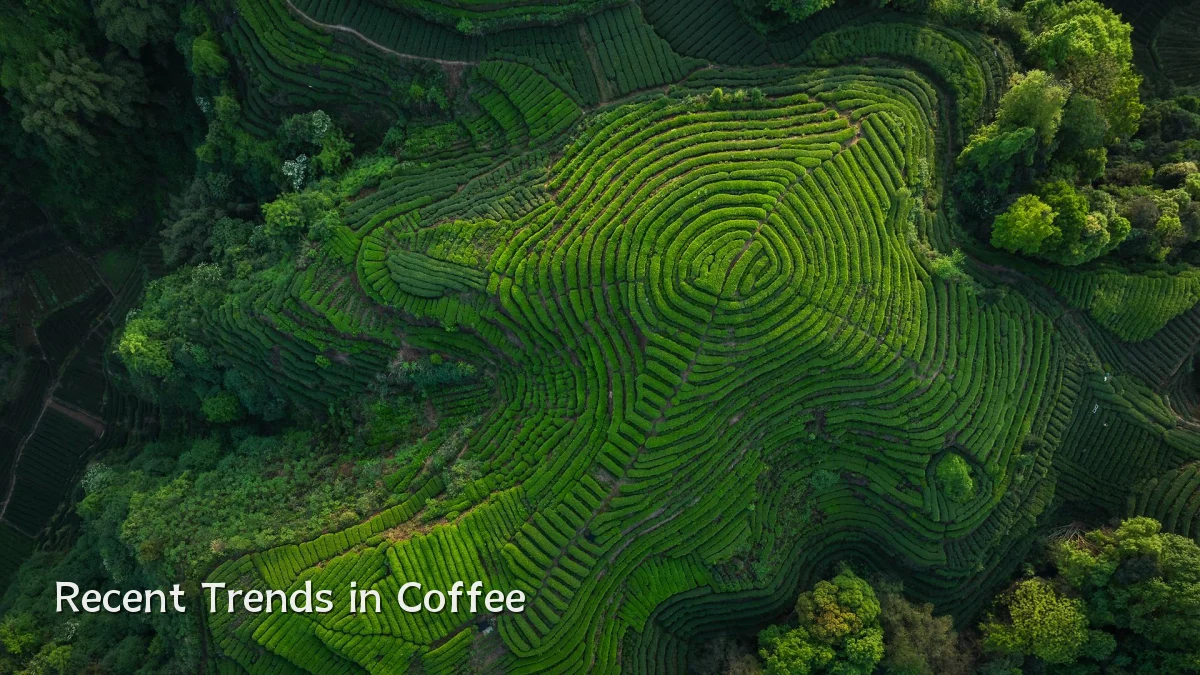
- Weather disruptions in Brazil and Vietnam, the top producers of arabica and robusta, have reduced crop forecasts.
- Container shipping rates remain elevated compared to pre‑pandemic averages, adding cost to each export step.
- Labor shortages at ports and roasting facilities have slowed throughput, increasing warehousing expenses.
- Consumer preference for specialty and single‑origin beans has increased per‑unit production costs.
Background: How Coffee Moves From Farm to Cup
Understanding why prices rise requires a look at the supply chain. Coffee passes through multiple hands, each adding cost and risk. The journey begins on smallholder farms or large estates, where cherries are harvested and processed. Green beans are then sold to exporters, shipped across oceans, bought by importers or large roasters, roasted, packaged, and distributed to retailers and cafés.

At each link, margins are thin and vulnerability to shocks is high. For example, a drought in the growing region may cut yield, raising the price farmers demand. Higher fuel costs then increase shipping fees. Roasters, facing higher input costs, may adjust their retail prices or alter blend compositions.
User Concerns: What Consumers Are Feeling
For many coffee drinkers, the most visible change is at the point of sale. Loyalty programs offer fewer free drinks, bags of whole beans cost more, and some cafés have reduced cup sizes without lowering prices. Home brewers may notice that the same budget brand now costs more per pound or that their preferred specialty roaster has raised prices by a noticeable margin.
- Grocery store price tags have increased 15–25% for mainstream brands, with specialty varieties seeing even larger jumps.
- Cafés have raised drip coffee prices by 10–20 cents per cup in many markets, while also introducing smaller “short” options.
- Subscription services for home delivery have shortened shipment intervals or increased per‑bag fees.
- Consumers report trading down from single‑origin to blends, or from whole bean to pre‑ground, to manage budgets.
Likely Impact on the Market
If current cost pressures persist, several changes are probable. Roasters may increasingly use blending strategies that combine a smaller portion of high‑quality arabica with more affordable robusta or commodity beans, altering flavor profiles. Some large coffee chains might absorb part of the cost increase to avoid losing customers, while independent shops may pass on the full increase. The premium segment could see a slowdown in growth as occasional buyers revert to cheaper options.
- Retailers may introduce more “limited release” small‑batch roasts to justify higher prices rather than raise everyday blends.
- Long‑term contracts between buyers and cooperatives could become more common, smoothing price volatility for farmers.
- Alternative beverages (tea, chicory, energy drinks) may see modest switching as consumers seek cheaper caffeine sources.
- Online resale markets for green coffee may expand as home roasters look for direct sourcing at warehouse prices.
What to Watch Next
Several factors will determine whether coffee prices stabilize, fall, or continue climbing. Weather patterns in Brazil’s arabica belt during the upcoming flowering season will be critical. Shipping logistics face ongoing uncertainty from geopolitical tensions and port labor negotiations. Additionally, changes in European Union deforestation regulations may affect how coffee is certified and traded, potentially adding compliance costs.
- Monitor weather reports for key growing regions, especially the Brazilian cerrado and Vietnamese highlands.
- Track container freight indices and fuel surcharges for ocean shipping.
- Watch for announcements from major roasters about price freezes, blend adjustments, or supply diversification.
- Follow fair‑trade and direct‑trade news — if premiums rise, consumer prices may rise further, or producers may gain more stable income.
While no single factor explains the full rise in your coffee bill, understanding the chain of costs helps set expectations. The current environment reflects a complex web of supply constraints and demand shifts that will likely continue to shape pricing for the medium term.